
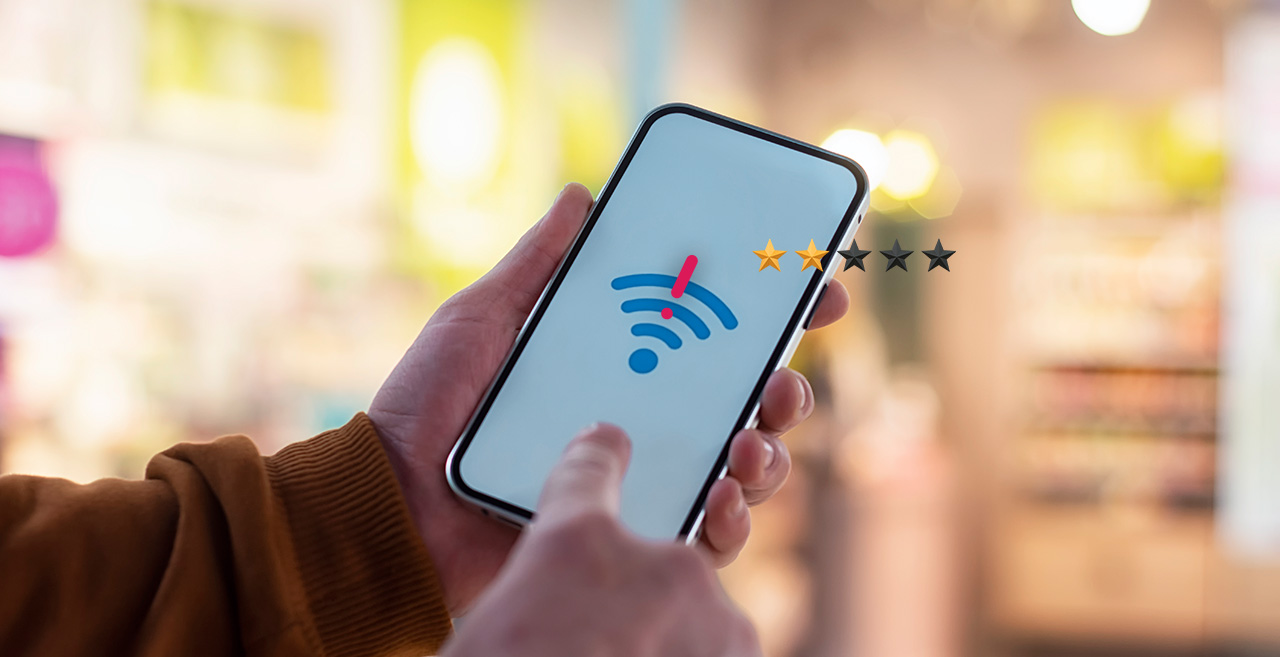
Guest WiFi is no longer viewed as an extra hotel amenity. For most travelers, it is an expected part of the stay. Business guests need it for meetings and emails. Families use it for streaming and communication. International travelers depend on it for maps, messages, and travel updates. Even guests who are staying for one night expect fast and reliable internet from the moment they arrive.
When WiFi works well, guests rarely mention it. When it fails, it quickly becomes one of the most frustrating parts of the hotel experience.
This is why hotel WiFi support services have become an important part of modern hospitality operations. A weak or unreliable WiFi experience can affect guest satisfaction, create operational pressure for staff, and lead to negative online reviews.
Why Guest WiFi Matters So Much
Hotel guests now travel with multiple connected devices. A single guest may use a phone, laptop, tablet, smartwatch, or streaming device during their stay. In group, event, and business travel environments, the demand on the hotel network can increase even further.
Guests do not always understand the technical reasons behind poor internet performance. They only know whether the connection is fast, stable, and easy to use.
If the experience is poor, it reflects on the hotel brand. A guest may describe the property as outdated, unreliable, or not business-friendly, even if the real issue is related to network infrastructure or poor WiFi management.
Strong hospitality WiFi solutions help hotels deliver a better digital experience while reducing complaints at the front desk.
Slow Internet Speeds Create Immediate Frustration
One of the most common WiFi complaints in hotels is slow speed. Guests may struggle to load websites, join video calls, stream content, or complete basic online tasks.
This is especially damaging for business travelers. A guest who cannot work properly from their room or meeting area may see the entire stay as unsuccessful.
Slow internet can happen for several reasons. The property may not have enough bandwidth, the network may be poorly designed, or too many users may be connected during peak hours. In some cases, outdated access points or weak coverage can also reduce performance.
Hotels that do not monitor WiFi performance regularly may not notice these issues until they appear in guest reviews.
Poor Coverage Across the Property
A hotel WiFi network must perform consistently across guest rooms, lobbies, restaurants, meeting spaces, outdoor areas, and back-of-house locations. If guests experience strong internet in the lobby but weak connectivity in their room, the experience feels inconsistent.
Coverage gaps often appear when WiFi planning is not done properly during construction, renovation, or expansion. They can also develop over time as the property adds new devices, systems, or guest-facing technologies.
For hotels, poor coverage is not only a guest issue. Staff systems, mobile devices, point-of-sale terminals, and operational tools may also depend on the same network foundation.
This is where professional hotel network management becomes important. A well-managed network helps identify weak areas, improve access point placement, and support better performance across the property.
Complicated Login Processes Can Damage the Experience
Guests want WiFi access to be simple. If the login process is confusing, slow, or unreliable, it creates friction at the beginning of the stay.
Some hotels use portals that require too many steps. Others have systems that disconnect guests repeatedly or require them to log in again each day. These small frustrations can affect the guest’s overall impression of the property.
A smooth WiFi experience should allow guests to connect quickly and stay connected without unnecessary interruptions.
While security and access control are important, they should not make the process difficult for guests. The best approach balances convenience, performance, and network protection.
WiFi Issues Increase Pressure on Hotel Staff
When WiFi problems occur, guests usually contact the front desk first. This creates pressure on employees who may not have the tools or technical knowledge to resolve the issue.
Front desk teams may spend valuable time restarting routers, contacting vendors, or explaining problems they cannot fix directly. This takes attention away from guest service and creates frustration for both guests and employees.
With dedicated hotel WiFi support services, properties can give staff a clear escalation path and ensure technical issues are handled by experienced support teams.
This helps reduce response times and allows hotel employees to focus on hospitality rather than troubleshooting network problems.
WiFi Performance Can Affect Hotel Reviews
Online reviews often mention WiFi when the experience is poor. Guests may forgive small inconveniences, but unreliable internet can feel like a major failure, especially for business travelers or guests staying for multiple nights.
Negative WiFi reviews can also influence future bookings. A traveler comparing hotels may choose another property if several reviews mention slow internet, weak signals, or connection problems.
In this way, WiFi performance directly affects reputation management.
Hotels that invest in better guest internet support can reduce recurring complaints and improve the overall perception of the property.
Guest WiFi Also Supports Modern Hotel Technology
Guest internet is not only used by travelers. Many modern hotel technologies depend on a reliable network foundation.
Mobile check-in, mobile key access, smart TVs, casting solutions, guest messaging platforms, digital concierge tools, and in-room controls may all rely on strong connectivity.
If the WiFi network is unstable, these technologies may not work as expected. This can make the hotel’s digital experience feel unreliable, even when the individual systems are properly installed.
Before introducing new guest-facing technology, hotels should ensure their network can support current and future demand.
Security Should Not Be Overlooked
Guest WiFi must be convenient, but it also needs to be secure. Hotels must protect operational systems, payment environments, staff devices, and guest networks from unnecessary exposure.
A poorly segmented network can create security risks. If guest traffic is not separated from internal hotel systems, the property may become more vulnerable to unauthorized access or cyber threats.
Strong hotel network management helps ensure guest internet access is designed with both performance and security in mind.
This is especially important as hotels continue adopting cloud platforms, connected devices, and digital guest services.
When Hotels Should Review Their WiFi Environment
Hotels should review their WiFi environment when guest complaints increase, internet speeds become inconsistent, new systems are being introduced, renovations are planned, or occupancy patterns change.
A network that performed well several years ago may no longer support today’s usage levels. Guest expectations, device counts, bandwidth requirements, and hotel technology needs continue to grow.
Regular reviews help hotels identify problems early and plan upgrades before WiFi issues begin affecting reviews and operations.
How Advance Hospitality Technologies Helps Hotels Improve Guest WiFi
Advance Hospitality Technologies helps hotels improve WiFi performance through hotel WiFi support services, hospitality WiFi solutions, hotel network management, infrastructure planning, troubleshooting, and ongoing technical support.
Through guest internet support, AHT helps hotels identify connectivity issues, improve network reliability, support guest-facing technologies, and reduce the operational impact of WiFi-related complaints.
Instead of waiting for negative reviews or recurring guest frustration, hotels can take a proactive approach to network performance and guest internet reliability.
Final Thoughts
Guest WiFi has become a core part of the hotel experience. When it works well, it supports comfort, productivity, convenience, and guest satisfaction. When it fails, it creates frustration that can quickly appear in online reviews.
Hotels that prioritize reliable WiFi are not only improving connectivity. They are protecting their reputation, supporting staff productivity, and creating a stronger foundation for modern guest technology.
Professional hotel WiFi support services help hotels move from reactive troubleshooting to proactive network management, ensuring guests receive the reliable internet experience they expect.