
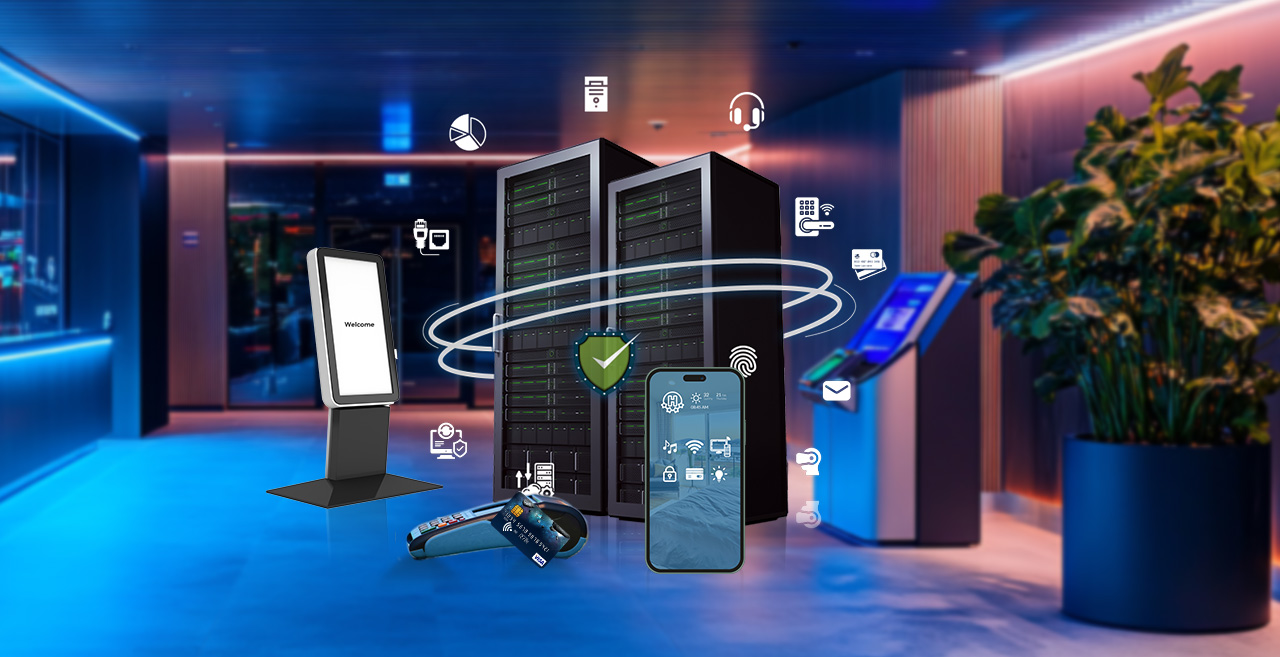
Modern hotels rely on dozens of technology platforms to manage daily operations. Property Management Systems (PMS), Point of Sale (POS) systems, revenue management platforms, guest communication tools, mobile key solutions, housekeeping applications, and accounting software all play important roles in delivering a successful guest experience.
However, when these systems operate independently, hotels often face inefficiencies, data inconsistencies, and operational bottlenecks. This is where hotel system integration services become essential.
By connecting critical systems and enabling seamless data flow across departments, hotels can improve efficiency, enhance guest satisfaction, and make better business decisions.
What Is Hotel System Integration?
Hotel system integration is the process of connecting various hotel technologies so they can communicate and share information automatically.
Instead of requiring staff to manually update information across multiple systems, integrated platforms exchange data in real time.
Examples of systems commonly integrated within hotels include:
- Property Management Systems (PMS)
- Point of Sale (POS) systems
- Revenue Management Systems (RMS)
- Guest Messaging Platforms
- Mobile Key Solutions
- Customer Relationship Management (CRM) Systems
- Housekeeping Management Tools
- Accounting Systems
- Business Intelligence Platforms
Effective hospitality systems integration creates a unified technology environment that supports both operational efficiency and guest experience.
The Challenges of Disconnected Hotel Systems
Many hotels operate with technology platforms that were implemented at different times and by different vendors.
Without proper integration, hotels often experience:
- Duplicate data entry
- Human errors
- Delayed information updates
- Inconsistent guest records
- Increased staff workload
- Reporting inaccuracies
- Poor communication between departments
These challenges can impact operational performance while creating frustration for both employees and guests.
1. Improves Operational Efficiency
One of the biggest benefits of hotel system integration services is the elimination of manual processes.
Without integration, staff may need to enter guest information multiple times across different systems. This increases administrative workload and creates opportunities for mistakes.
Integrated systems automatically synchronize data, allowing employees to focus on guest service rather than repetitive administrative tasks.
Example
When a reservation is created within the PMS, the information can automatically update:
- Guest communication platforms
- Housekeeping schedules
- Revenue management systems
- Loyalty programs
This reduces manual intervention and improves workflow efficiency.
2. Enhances Guest Experience
Guests expect a smooth and personalized experience throughout their stay.
Integrated hotel technology enables staff to access accurate guest information in real time, allowing them to provide faster and more personalized service.
Benefits include:
- Faster check-in and check-out
- Personalized guest interactions
- Improved room readiness
- Better service coordination
- Faster response to guest requests
When systems work together, guests experience fewer delays and a more seamless stay.
3. Strengthens PMS Integration Across Departments
The Property Management System serves as the operational hub for most hotels.
Effective PMS integration allows guest and operational data to flow automatically between systems.
For example, when a guest checks out:
- Housekeeping receives room status updates
- Billing information is finalized
- Revenue reports are updated
- Loyalty programs receive guest stay data
This ensures every department has access to accurate information without requiring manual updates.
4. Reduces Human Error
Manual processes often create opportunities for mistakes.
Common errors include:
- Incorrect guest information
- Duplicate reservations
- Billing discrepancies
- Room assignment issues
- Missed guest requests
Hospitality systems integration reduces these risks by automating data transfer between platforms.
Improved accuracy leads to smoother operations and higher guest satisfaction.
5. Improves Reporting and Decision Making
Hotel leaders depend on accurate data to make strategic decisions.
Disconnected systems often result in fragmented reporting and incomplete business insights.
Integrated systems provide centralized access to critical information such as:
- Occupancy rates
- Revenue performance
- Guest satisfaction metrics
- Operational efficiency data
- Labor costs
- Service response times
With better visibility, management teams can make faster and more informed decisions.
6. Supports Revenue Growth
Integrated technology environments help hotels identify revenue opportunities more effectively.
Examples include:
- Dynamic pricing adjustments
- Upselling opportunities
- Guest preference tracking
- Personalized offers
- Loyalty program optimization
When data flows across systems, hotels gain a complete view of guest behavior and purchasing patterns.
This allows teams to create more targeted revenue strategies.
7. Improves Staff Productivity
Hotel employees often work across multiple systems throughout the day.
Without integration, staff spend valuable time switching between applications, searching for information, and manually updating records.
Integrated systems simplify workflows by providing consistent information across departments.
Benefits include:
- Faster task completion
- Reduced administrative workload
- Improved collaboration
- Better communication
- Higher employee productivity
As a result, staff can spend more time focusing on guest service.
8. Simplifies Technology Management
As hotels adopt more technology solutions, managing those systems becomes increasingly complex.
Proper integration simplifies technology management by:
- Reducing system conflicts
- Improving data consistency
- Simplifying troubleshooting
- Supporting future technology adoption
- Creating a more scalable infrastructure
This allows hotels to expand their technology ecosystem without creating unnecessary operational complexity.
Common Areas Where Hotels Benefit from System Integration
Hotels typically see significant improvements when integrating:
| Hotel Department | Systems Commonly Integrated | Key Benefits |
| Front Office Operations | Property Management System (PMS), Mobile Check-In Solutions, Mobile Key Platforms, CRM Systems | Faster check-ins and check-outs, improved guest personalization, streamlined front desk operations, and enhanced guest satisfaction. |
| Revenue Management | PMS, Revenue Management Systems (RMS), Channel Managers, Booking Engines | Real-time pricing updates, improved inventory management, increased revenue opportunities, and better distribution channel control. |
| Guest Experience Platforms | Guest Messaging Tools, Service Request Systems, Loyalty Platforms | Faster guest communication, improved service delivery, personalized guest interactions, and stronger loyalty program engagement. |
| Back Office Operations | Accounting Systems, Procurement Platforms, Workforce Management Software | Improved financial accuracy, automated purchasing workflows, better staff scheduling, reduced administrative workload, and enhanced operational efficiency. |
Each integration helps eliminate silos and improve efficiency across departments.
How Advance Hospitality Technologies Supports Hotel System Integration
Successful system integration requires hospitality expertise, technical knowledge, and strategic planning.
Advance Hospitality Technologies helps hotels implement and manage integrations through:
- Hotel System Integration Services
- Technology Consulting for Hospitality
- PMS Integration Planning
- Technology Project Management
- Vendor Management
- Technology Governance
- Ongoing Technical Support
- Technology Modernization Initiatives
By ensuring hotel technologies work together effectively, hotels can reduce operational friction and create a more efficient guest-focused environment.
Final Thoughts
Technology is most valuable when systems work together. Disconnected platforms create inefficiencies, increase operational costs, and negatively impact the guest experience.
Investing in hotel system integration services allows hotels to streamline operations, improve data accuracy, enhance guest satisfaction, and support long-term growth.
As hospitality technology continues to evolve, hotels that prioritize hospitality systems integration and effective PMS integration will be better positioned to deliver exceptional service while operating more efficiently.
FAQs
Hotel system integration services connect multiple hotel technologies, allowing them to share information automatically and operate as a unified ecosystem.
PMS integration ensures guest information, reservations, billing, housekeeping, and operational data remain synchronized across departments, improving efficiency and service quality.
Integrated systems provide real-time access to guest information, enabling faster service, personalized interactions, and smoother operations throughout the guest journey.
Hotels commonly integrate PMS, POS, CRM, revenue management systems, mobile key platforms, guest messaging tools, accounting software, and business intelligence platforms.